Human beings have always been a puzzle. At first glance, people appear simple: they smile, they talk politely, and they present themselves in ways that seem predictable. But behind every smile, gesture, or word lies an inner world of emotions, insecurities, and hidden desires. Robert Greene, in his powerful book The Laws of Human Nature, pulls back the curtain on this hidden world. He shows us how our actions are often driven less by logic and more by feelings we do not even recognize. Understanding these hidden forces is the first step to mastering life itself.
Overcoming Emotional Tendencies:
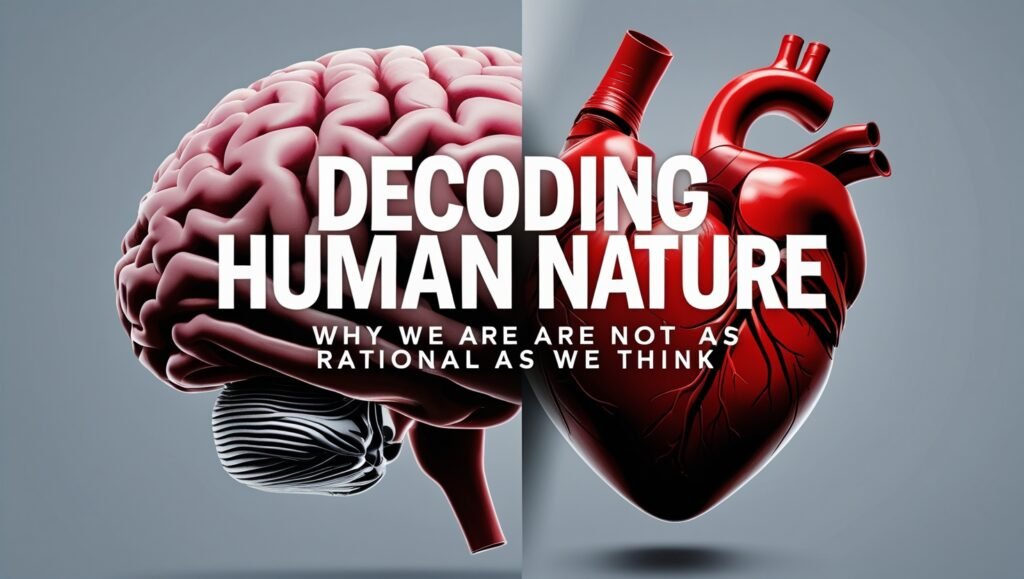
Most of us like to believe that we are rational beings. We imagine ourselves making decisions based on reason, weighing facts, and analyzing consequences. Yet in reality, our choices are shaped far more by emotions than by logic. When we like something, we convince ourselves that it must be true or right, even when there is no evidence. When we dislike something, we dismiss it as false without considering its merits. This tendency, Greene explains, is irrationality.
History offers countless examples of this flaw. One of the most telling is the story of the Athenian leader Pericles. While the people of Athens were overwhelmed with anger and impatience during their conflict with Sparta, Pericles counseled restraint and patience. He relied on logic when others drowned in emotion. But after his death, the Athenians fell back into their old irrational patterns, allowing their emotions to dictate their choices, which eventually led to their downfall.
Greene suggests three essential steps to escape this trap. First, we must recognize our old emotional patterns, the beliefs that cloud our judgment. Second, we should avoid situations or people who deliberately provoke our emotions. And finally, we must train ourselves to think calmly and clearly. When you master your emotions, you master yourself.
Turning Narcissism into Empathy:
We all have a touch of narcissism within us. It is the tendency to focus on ourselves, our feelings, and our needs. For some, this trait is mild, but for others, it becomes extreme, manifesting as arrogance, vanity, or self-obsession. Narcissists crave praise and attention and react angrily when they do not receive it. Greene does not argue that we must completely erase narcissism; instead, he encourages us to channel it in a healthier direction.
By shifting our attention outward and paying genuine attention to the experiences of others, we can transform narcissism into empathy. Empathy is not simply about being kind; it is the ability to step into another person’s shoes and see the world through their eyes. This transformation enriches our relationships, builds trust, and creates depth in our interactions. To cultivate empathy, Greene advises us to listen more than we speak, to observe non-verbal cues such as body language or silence, and to stop placing ourselves at the center of every conversation. In doing so, we become more human, more connected, and more capable of building meaningful bonds.
Seeing the Truth behind People’s Faces:
One of the most important lessons Greene teaches is that people are not always what they appear to be. Most of us wear masks. Some of us project humility, some knowledge, some indifference, but behind these masks lies the reality of who we truly are. People wear masks not always to deceive, but often to protect themselves. The danger comes when we take these masks at face value and are deceived again and again.
To see the truth behind appearances, Greene suggests paying close attention to body language, tone of voice, and long-term behavior. Someone might say the right things, but their eyes, posture, or subtle gestures may reveal their true feelings. Similarly, people who present themselves as overly good or righteous often have something hidden behind that façade. Over time, small patterns such as gossiping, avoiding responsibility, or constantly seeking validation reveal the truth about someone’s character. The ability to read beyond appearances is not about cynicism but about wisdom. It protects us from betrayal and helps us choose genuine allies.
Recognizing the Depth of Character:
Too often, we are dazzled by surface qualities such as charm, intelligence, or style. Yet true strength lies not in appearances but in character. Character is the consistent pattern of behavior that emerges over time, especially during challenges. People can change their words to impress others, but their actions under stress reveal their true nature.
Greene emphasizes that repeated mistakes, avoidance of responsibility, or lack of consistency are all warning signs. By contrast, a person with solid character remains calm during adversity, owns up to their actions, and stays aligned with their values. If we learn to focus on character rather than charm, we make better choices in friendships, relationships, and partnerships. It is not flattery or appearances that determine reliability, but the steady rhythm of behavior across time.
The Power of Mystery and Desire:
Human desire is a curious thing. We long most for what we do not easily have. When something is too available, we take it for granted, but scarcity and mystery amplify attraction. Greene explains that this principle is the secret behind allure. By revealing too much of ourselves, by being overly available, we reduce our value in the eyes of others. But by maintaining a certain degree of mystery and elusiveness, we spark curiosity and desire.
The art of desire is not about manipulation but about pacing and presence. Do not give everything away at once. Allow people the joy of discovery. By being multidimensional, by cultivating qualities that others can slowly uncover, you make yourself more engaging. Mystery, used wisely, creates lasting intrigue and attraction.
Raising Perspective through Foresight:
Most people live trapped in the urgency of the present. They react to immediate challenges, chase instant results, and ignore the larger consequences of their actions. Greene describes this as shortsightedness, a common but destructive flaw. The truly wise individual steps back, considers the long-term, and acts with foresight.
Signs of shortsightedness include impulsive decision-making in anger or fear, craving instant gratification, and blindly following others without context. By contrast, farsighted individuals pause to analyze the long-term effects of their actions. They resist being swept away by emotion or group pressure. They learn from history, anticipate future consequences, and act deliberately. This kind of perspective protects us from costly mistakes and allows us to build sustainable success.
The Art of Persuasion and Breaking Defenses:
When we try to persuade others, we often make the mistake of attacking their beliefs directly. Yet people naturally defend their self-image and resist any attempt to change it. Confrontation rarely works. Greene emphasizes that the secret to persuasion is respecting the defenses of others while subtly guiding them toward new ways of thinking.
This means we must avoid insulting or criticizing. Instead, we use stories, examples, and indirect suggestions to allow others to reach conclusions themselves. We remain flexible, calm, and respectful, making the other person feel valued and capable of independent thought. True persuasion is not about dominating someone; it is about planting seeds of insight that grow within their mind. When we master this art, we not only win arguments but also earn trust and loyalty.
Conclusion:
The first half of Robert Greene’s The Laws of Human Nature is a journey into the inner world of emotions, appearances, and behaviors. It teaches us that we are not as rational as we imagine, that masks are everywhere, and that true wisdom lies in patience, foresight, and empathy. More importantly, it reminds us that by understanding others, we begin to understand ourselves.
To decode human nature is to gain freedom. When you see beyond appearances, control your emotions, and cultivate empathy, you no longer remain a victim of manipulation, deceit, or shortsightedness. Instead, you become a master of your own life, capable of shaping your destiny with clarity and strength. This is the true power Greene offers us: the ability to live with awareness in a world where most people are blind to their nature.
FAQs:
1: Are humans truly rational beings?
Not entirely. While we like to believe our decisions are based on logic, most choices are driven by emotions and unconscious patterns. We often justify what we already feel rather than analyzing situations objectively.
2: Why do people hide behind masks in daily life?
People wear masks to protect themselves or to project qualities like humility, knowledge, or confidence. The problem arises when others take these masks at face value. Learning to read body language, tone, and long-term behavior helps us see the truth behind appearances.
3: What role does empathy play in human relationships?
Empathy allows us to step outside our arrogance and understand others’ perspectives. By listening carefully, observing non-verbal cues, and not centering ourselves in every interaction, we build stronger trust, deeper bonds, and more meaningful relationships.
4: How can understanding character help us make better decisions?
Charm and intelligence can be misleading, but character reveals itself over time, especially under stress. By focusing on consistency, responsibility, and actions rather than words, we can choose genuine allies and avoid toxic connections.
5: Why is foresight so important in life?
Most people act impulsively, reacting to short-term emotions or pressures. Foresight allows us to step back, analyze long-term consequences, and act with patience and clarity. This perspective protects us from costly mistakes and builds sustainable success.